

Landlord Gas Safety Certificate Price
Landlords are required by law to have their gas appliances, such as boilers and gas fires, maintained annually. This isn't just a legal requirement however, it also helps to ensure the safety of tenants by ensuring that the appliances are in good working order.
This article will discuss average costs, price-affecting factors and offer some easy-to-follow strategies to help you achieve compliance cost-effectively.
Costs depend on the number of appliances.
Gas safety certificates are required by law for landlords in the UK. These certificates, referred to as CP12s, have to be renewed annually to ensure that gas appliances in your rental property are safe for tenants to use. These certificates can also aid in keeping your appliances in good condition and prolong their lifespan.
The cost of a gas safety certificate depends on the quantity and type of appliances that are in your home. A certificate for a home that has one appliance is priced between PS60 and PS70 while the price increases with the addition of another appliance. You can request an estimate for your particular property from a Gas Safe registered engineer, who will visit your home and conduct a thorough examination of the pipework, appliances, and flues.
The engineer will mark the CP12 with warning codes that indicate the danger level. For example, Immediately Dangerous (ID), the appliance poses a threat to the user. At Risk (AR) means the appliance has at the very least one defect that could lead to an accident. Not to Current Standards (NCS) On the other hand, means that the appliance is safe to operate but does not pose a danger.
In addition to ensuring that your appliances are in good working order, you should keep a record of all maintenance work that is performed on them. This is a requirement under the Gas Safety Regulations and can assist you in avoiding being prosecuted if your tenants fall ill as a result of defective appliances.
Gas Safe engineers should be selected by landlords for gas safety inspections. These engineers are fully insured and certified to conduct these crucial safety inspections. If you're not sure which to choose, ask other landlords for suggestions.
You should shop around to find the best price. It's important to get quotes from several engineers before making a choice. You should also prepare for the inspection before the expiration date of your current certification. You'll avoid the extra costs associated with rush inspections.
Houses with more than 2 appliances are subject to additional costs
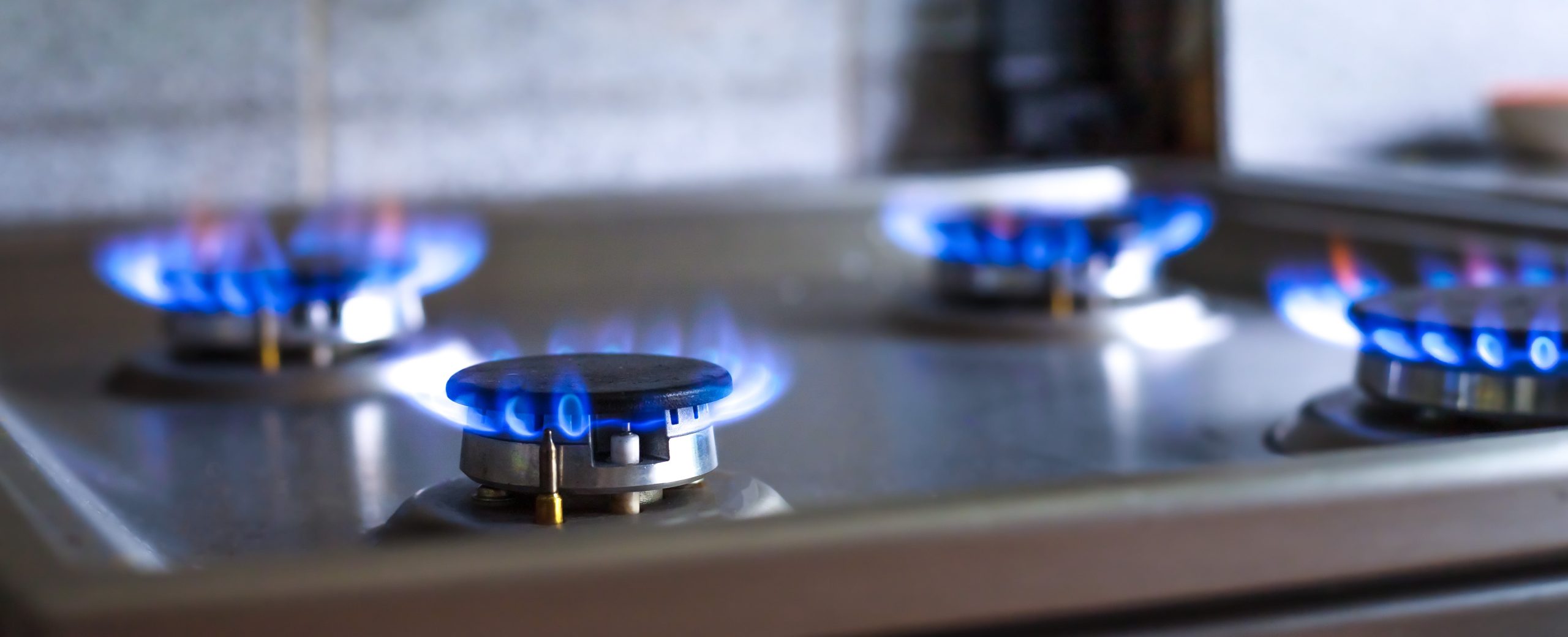
A landlord gas safety certificate is legally required to ensure that all flues and appliances in your rental property are safe. It must be performed by an accredited Gas Safe engineer and is not the same as a boiler service or an annual maintenance inspection. Tenants must be provided with an official copy of the Landlord Gas Safety Record within 28 days of the inspection and keep it for a period of two years.
The cost of a gas safety inspection depends on the number of appliances you have, the location of the property, and the company you use. Some companies offer discounts to landlords who require multiple checks. Some even offer free quotes, making it easier to budget for this recurring cost. If you own more than two appliances it is a good idea to get them tested simultaneously. This will save you money in the end.
certificate cost is your responsibility to give your tenants reasonable notice of when the Gas Safety Certificate will be due and make sure they have access to all areas with gas appliances. You must prepare your property in advance of the visit. This includes removing any furniture which could hinder access. If the engineer discovers problems with the flue or gas appliance they must inform you (or your agent) and immediately shut it off.
A landlord is also required to keep a log of all work performed on their gas installation. The records must include the name of the engineer, the date that the inspection was carried out and any issues discovered. They should be kept in a safe location for a minimum of two years. Landlords are required to provide an original copy to tenants who have just moved in, and to tenants who have already moved in within 28 days after the date of the check. Keep a copy for yourself.
It is important to keep in mind that the law only covers landlords who own and supply gas to their properties. Tenants are allowed to own and operate gas appliances in the property. However, the landlord is not responsible for them. Only the landlord can be held accountable for the gas appliances and pipework that they own or supply and install within the property.
If you decide to conduct an additional inspection, there will be additional charges.
All landlords who own property with a gas supply are legally required to obtain a gas landlord safety certification. The safety certificate has to be renewed each year and is given to all new tenants at the start of their tenure. Landlords who do not abide with the rules could face enforcement action and even prosecution.
Landlords must also provide a copy the gas records to tenant who is new or a tenant already on request. The record must be made available within 28 days of the inspection. The records can be sent to the tenant or left at the property, but they must be visible for tenants to look at.
Gas safety certificates are not just about meeting your legal obligations. They also guarantee that your tenants' property is secure. To avoid any unexpected costs you should shop around and compare quotes from different engineers prior to making a decision. Asking other landlords for recommendations or checking online reviews is the most effective way to determine.
Location is a key factor in the cost of a gas safety check since prices vary widely across the UK. For example, landlords who live in urban areas may be charged more than those who live in rural or remote areas. Additionally, the type of property also affects the price. The inspection of larger homes may take more time and be more expensive.
If a tenant refuses to allow access to a gas safety test, the landlord should try to convince them to reconsider their decision by sending them a strongly written letter stating why they need to have access and what the checks will involve. If this does not work, the landlord should contact the local council and explain the situation. If the issue continues, the landlord can initiate the eviction by serving a Section-21 notice.
If a landlord isn't allowed access to the property in order to perform an Gas Safety Certificate, they must contact their local authority immediately. The authority will then send a Gas Safe registered engineer to the property to conduct an extensive inspection of the appliances as well as pipework. This includes confirming the presence and status of flues, as well as assessing the physical integrity of the pipework and all fittings. The inspection will also determine if appliances have been altered or moved from their original place.
The cost of gas safety certificates is a recurring expense
A landlord is legally required to ensure that the appliances in their rental property comply with all gas safety regulations. This involves having an engineer carry out annual gas safety inspections. Landlords are also required to keep a log and be aware of any potential issues. Gas leaks, fire hazards or broken flues are just a few possible problems. Gas safety certificates are a frequent cost for landlords and should be included in their budgets.
The cost of the gas safety certificate issued by a landlord is determined by the size of the property and the number appliances. In general, it will cost between PS60 and PS90 for a basic inspection, which typically will cover one boiler and one gas appliance. The cost increases if there are more than two gas appliances in the house.
Landlords must ensure that they have an active CP12 Gas Safety Certificate. Failure to comply with this requirement could lead to penalties or even imprisonment. Gas safety inspections every 12 months are the most effective way to ensure compliance.
A CP12 is an official document that reflects the results of a gas inspection. It is given to landlords by a certified Gas Safe engineer. The certificate is valid for 12 months and is required by law for all rented properties in the UK. It is recommended to schedule the inspection at least a few weeks before the expiry date. This gives landlords enough time to prepare their property and hire an engineer.
If a landlord has recently installed a new boiler, they may be concerned about needing to get another CP12 earlier than normal. However, if the new boiler was fitted by a Gas Safe registered engineer and the previous CP12 is still valid, then there's no requirement for the landlord to seek another inspection.
It is essential for landlords to know what a gas safety certificate will cost and what influences affect the cost and how they can reduce the risk of non-compliance. This will allow them to manage their finances and avoid any penalties.